01The mistake is usually in the design, not the person
When something goes wrong — a form submitted twice, a valve turned the wrong way, a patient given the wrong dose — the instinct is to look for who made the error. Human factors research inverts that question. It asks what in the environment made the error easy, and what made the correct action hard. The discipline has a name for the goal: error-proofing, borrowed from the Japanese manufacturing concept poka-yoke (roughly: mistake-proofing), developed in the 1960s by industrial engineer Shigeo Shingo at Toyota. The principle has since migrated into software, healthcare, aviation and architecture, and for good reason: blaming operators is cheap; redesigning systems is effective.
The psychologist James Reason, whose work on organisational accidents became foundational in safety science, distinguished between slips (the right intention executed wrongly — clicking the wrong button), lapses (a memory failure mid-task), and mistakes (the wrong intention pursued correctly). Each type has different design solutions. Slips respond well to physical or interface constraints. Lapses respond to reminders and checklists. Mistakes — often the most dangerous — require the system to make the correct mental model visible.
02What error-proofing actually looks like
The cleanest error-proofing is forcing functions: design features that make proceeding with the wrong action physically or logically impossible. A SIM card tray cut asymmetrically so it only seats one way. A car that won't shift out of park without the brake depressed. A surgical instrument tray arranged so that any missing item leaves a visible gap. These solutions don't require the user to remember anything, stay alert, or resist a bad habit — they convert human reliability from a variable into a near-constant.
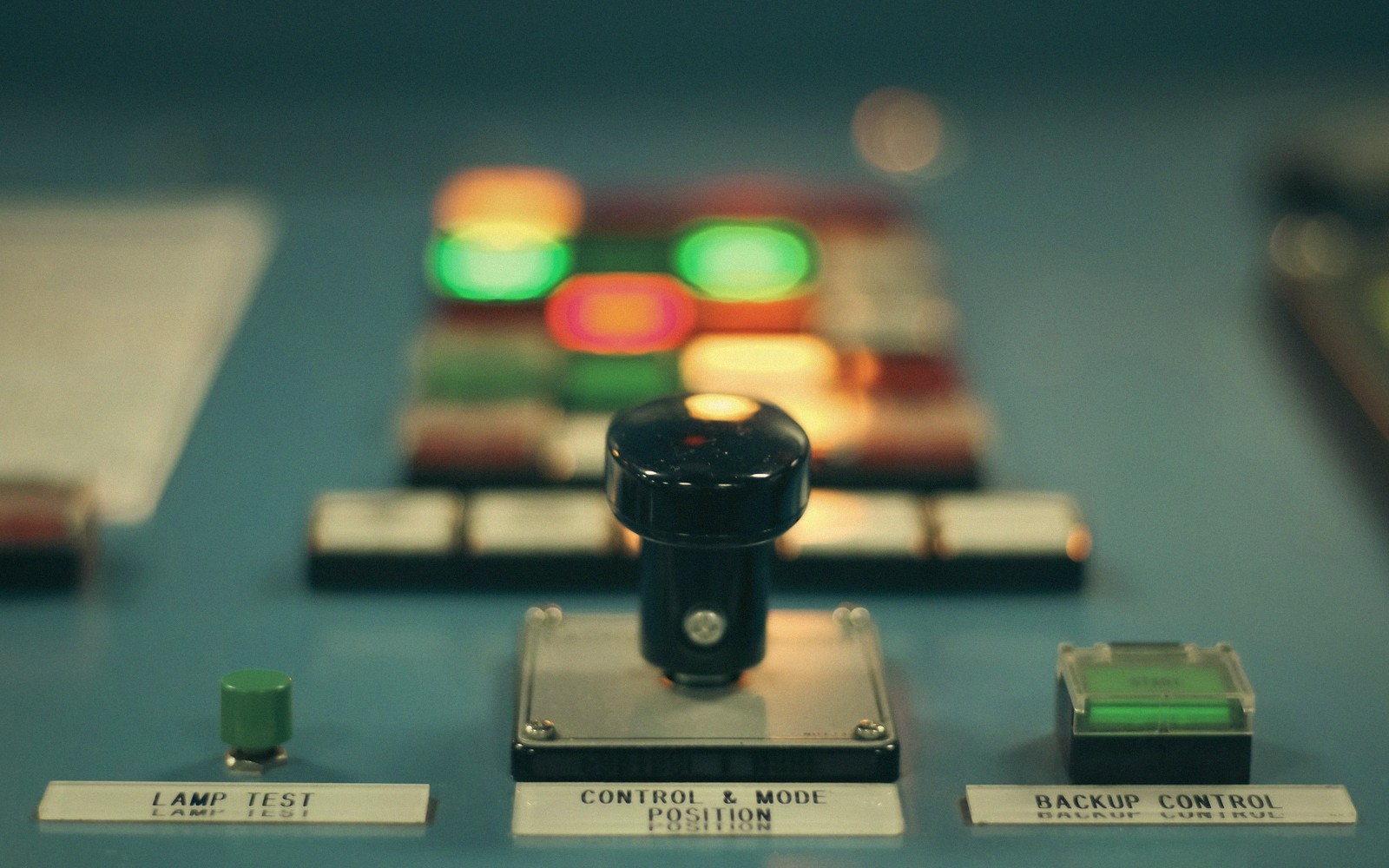
Below forcing functions sits a tier of feedback and friction. Where it isn't feasible to block an error entirely, good design makes errors immediately obvious and easy to undo. This is why well-designed forms highlight errors before submission rather than after, why nuclear plant control rooms colour-code and physically differentiate identical-looking valves, and why the undo function in almost every piece of software may be the single most consequential piece of error-tolerance ever built. The confirmation dialogue — "Are you sure you want to delete?" — is less elegant but carries the same logic: add one step of friction at the point where an irreversible mistake is most likely.
Grouping and spatial logic matter too. Errors spike when items that look alike but behave differently sit next to each other — a known hazard with look-alike, sound-alike medications in pharmacy. The solution isn't a warning label; it's physical separation, colour differentiation, or different packaging altogether. Applied to interface design, this is why destructive actions (delete, archive, revoke access) belong away from constructive ones, not next to them in the same menu.
03The practical standard
The usability researcher Donald Norman introduced the term affordance into design discourse, and his concept of constraints — features that limit the possible actions a user can take — is the design-side articulation of the same logic Shingo pursued on the factory floor. Good constraint design doesn't feel restrictive; it feels obvious. The stove knob above the burner it controls, rather than in an arbitrary row of four identical knobs, eliminates an error category without the user noticing anything except that things work.
The practical standard for any system, interface or process is blunt: if the same error recurs across different people in different sessions, it is not a people problem. It is a design problem with a design solution. Find the step where the wrong move is easiest, and make the right move easier still.
04Who did the work
Shigeo Shingo (engineer)
Toyota production engineer who formalised mistake-proofing as poka-yoke
James Reason (psychologist)
developed the slip/lapse/mistake taxonomy and organisational accident theory
Donald Norman (researcher)
introduced affordances and constraints into design discourse
author of The Design of Everyday Things
Toyota (organisation)
Japanese automaker where systematic error-proofing in manufacturing was pioneered
EVIDENCE RATING — STRONG
Replicated across many studies and meta-analyses; safe to act on.